Selecting the right pump for chemical storage tanks is a critical decision that can significantly impact the efficiency, safety, and longevity of your chemical storage system. As a chemical storage tanks supplier, I understand the importance of this choice and am here to guide you through the process.
Understanding the Chemicals
The first step in selecting the right pump is to understand the properties of the chemicals you will be storing. Different chemicals have different viscosities, corrosiveness, and specific gravities, which can all affect the performance of a pump. For example, highly viscous chemicals may require a pump with a higher flow rate and pressure to move them effectively. On the other hand, corrosive chemicals may require a pump made from materials that are resistant to corrosion, such as polypropylene or stainless steel.
When dealing with specific chemicals, it's important to refer to their safety data sheets (SDS) for detailed information about their properties. For instance, if you are storing methanol, you can learn more about its characteristics and requirements from a Methanol Storage Tank. Similarly, for formic acid, the Formic Acid Storage Tank provides valuable insights.
Flow Rate and Pressure Requirements
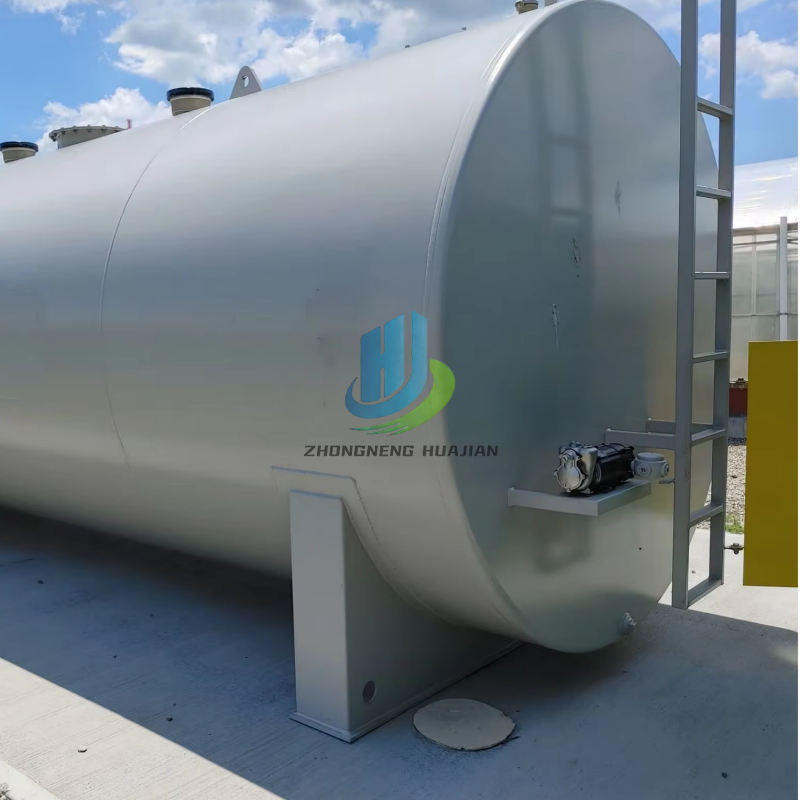
Once you have a clear understanding of the chemicals, you need to determine the flow rate and pressure requirements of your system. The flow rate is the volume of fluid that the pump needs to move per unit of time, while the pressure is the force required to move the fluid through the system. These requirements are typically determined by the size of the storage tank, the distance the fluid needs to be transported, and the height it needs to be lifted.
To calculate the flow rate, you need to consider the rate at which the chemical is being used or transferred. For example, if you are using a chemical in a manufacturing process, you need to know the amount of chemical required per hour or per batch. The pressure requirements are determined by the resistance in the piping system, including the length of the pipes, the number of bends, and the presence of any valves or filters.
Pump Types
There are several types of pumps available for chemical storage tanks, each with its own advantages and disadvantages. The most common types include centrifugal pumps, positive displacement pumps, and diaphragm pumps.
- Centrifugal Pumps: These pumps are the most widely used type for chemical storage applications. They work by using a rotating impeller to create a centrifugal force that moves the fluid. Centrifugal pumps are suitable for handling low-viscosity fluids and can achieve high flow rates. However, they are not as efficient for handling high-viscosity fluids or fluids with solids.
- Positive Displacement Pumps: These pumps work by trapping a fixed volume of fluid and then forcing it through the system. Positive displacement pumps are suitable for handling high-viscosity fluids and can provide a constant flow rate regardless of the pressure. However, they are generally more expensive and require more maintenance than centrifugal pumps.
- Diaphragm Pumps: These pumps use a flexible diaphragm to move the fluid. Diaphragm pumps are suitable for handling corrosive and abrasive fluids and can provide a high level of control over the flow rate. However, they are not as efficient as centrifugal pumps and may require more maintenance.
Material Compatibility
The material of the pump is also an important consideration. The pump needs to be made from materials that are compatible with the chemicals being stored. For example, if you are storing a corrosive chemical, you need a pump made from a material that is resistant to corrosion, such as polypropylene or stainless steel. You can find more information about polypropylene chemical storage tanks and their compatibility with different chemicals on our Polypropylene Chemical Storage Tanks page.
Safety Considerations
Safety is always a top priority when dealing with chemicals. When selecting a pump, you need to consider the safety features of the pump, such as leak detection, overpressure protection, and explosion-proof design. You also need to ensure that the pump is installed and maintained properly to prevent any accidents or spills.
Cost and Maintenance
Finally, you need to consider the cost and maintenance requirements of the pump. The cost of the pump includes the initial purchase price, as well as the cost of installation, operation, and maintenance. You need to choose a pump that is within your budget and that provides a good balance between performance and cost.
The maintenance requirements of the pump also need to be considered. Some pumps require more frequent maintenance than others, and you need to ensure that you have the resources and expertise to perform the necessary maintenance tasks.
Conclusion
Selecting the right pump for chemical storage tanks is a complex process that requires careful consideration of several factors, including the properties of the chemicals, the flow rate and pressure requirements, the pump type, the material compatibility, the safety features, and the cost and maintenance requirements. As a chemical storage tanks supplier, we can provide you with the expertise and support you need to make the right choice.
If you are in the process of selecting a pump for your chemical storage tanks, we encourage you to contact us for more information. Our team of experts can help you evaluate your needs and recommend the best pump for your application. We look forward to working with you to ensure the safe and efficient operation of your chemical storage system.
References
- Chemical Engineering Handbook, various editions
- Pump Manufacturer's Catalogs
- Safety Data Sheets for Chemicals