Hey there! I'm a supplier of chemical storage tanks, and today I want to chat about the ventilation requirements for chemical storage tank areas. It's a crucial topic that can't be overlooked, as proper ventilation is essential for ensuring the safety of both the chemicals and the people working around them.
First off, let's understand why ventilation is so important in chemical storage tank areas. Chemicals stored in tanks can release vapors, gases, or fumes, some of which can be hazardous to human health and the environment. These substances can be flammable, toxic, corrosive, or reactive. Without adequate ventilation, these vapors can accumulate, leading to a variety of problems, such as explosions, fires, and health issues for workers.
One of the key factors in determining the ventilation requirements is the type of chemicals being stored. Different chemicals have different properties, and their vapor release rates and toxicity levels can vary significantly. For example, volatile organic compounds (VOCs) are known to evaporate quickly and can pose a high risk of inhalation. On the other hand, some chemicals may be less volatile but still require proper ventilation to prevent the buildup of potentially harmful concentrations.
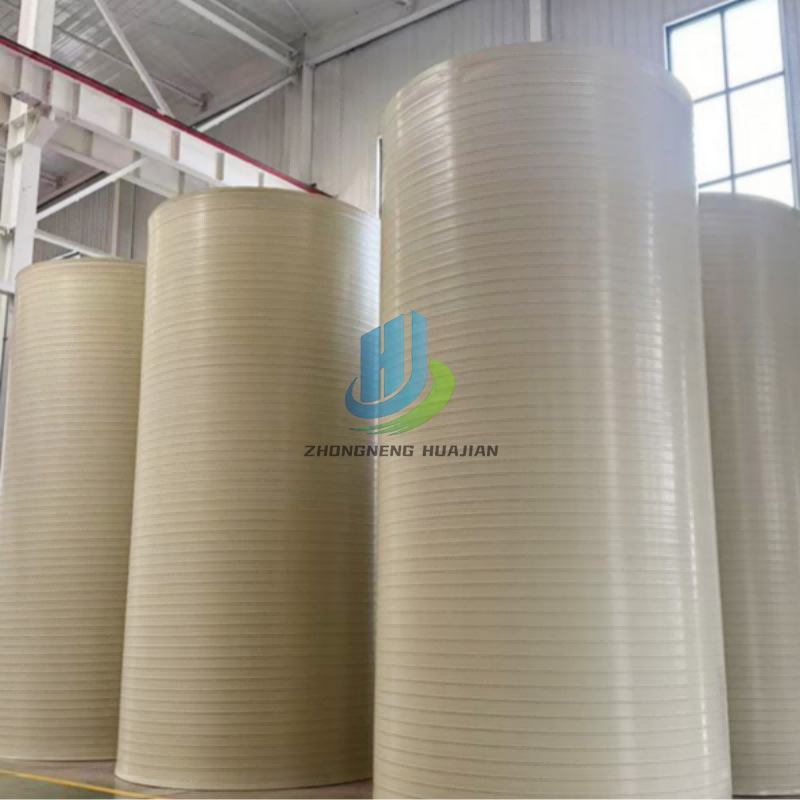
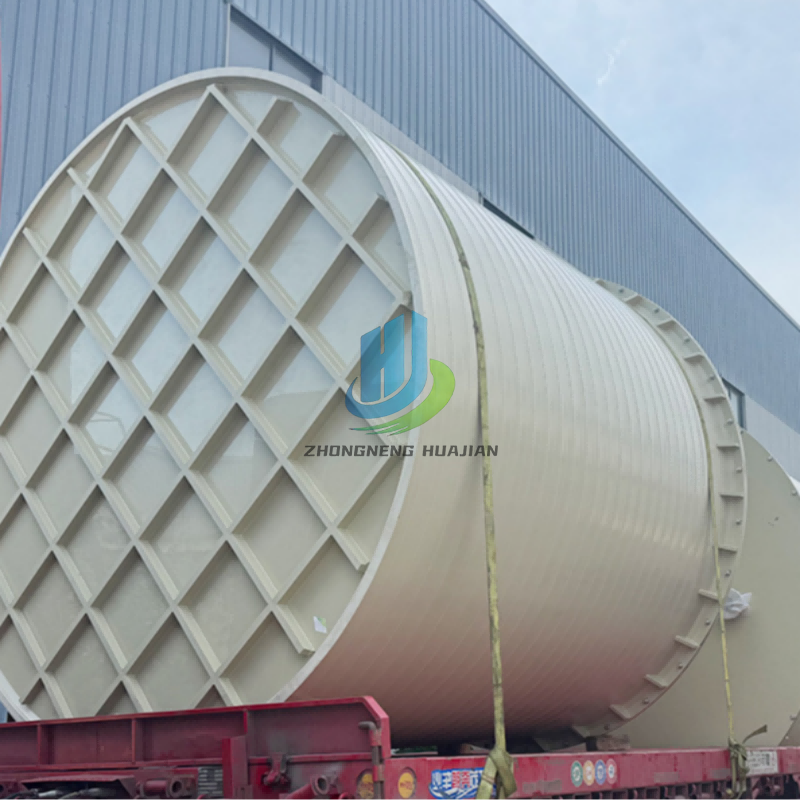
When it comes to our Polypropylene Chemical Storage Tanks, they are designed to store a wide range of chemicals. Polypropylene is a durable and chemical-resistant material, but proper ventilation is still necessary. The ventilation system should be able to remove any vapors that may escape from the tanks, ensuring a safe working environment.
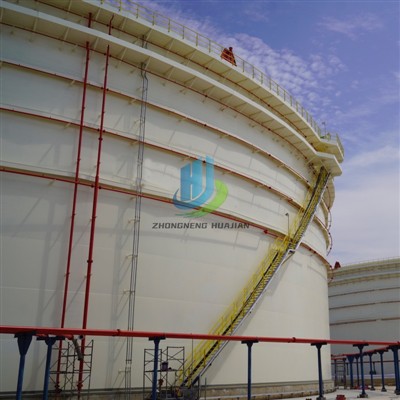
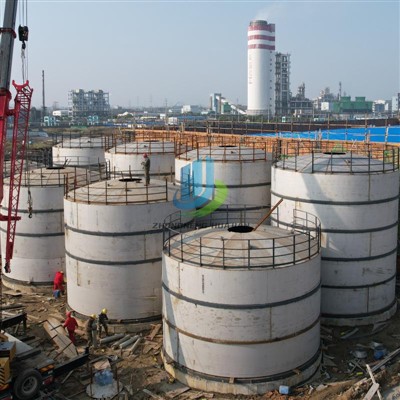
For Large Chemical Storage Tanks, the ventilation requirements are even more critical. These tanks can hold a large volume of chemicals, and any vapor release can have a significant impact. The ventilation system needs to be powerful enough to handle the increased volume of vapors and maintain a safe air quality within the storage area.
Let's take a look at the Nitric Acid Storage Tank as an example. Nitric acid is a highly corrosive and reactive chemical. It can release toxic fumes, such as nitrogen oxides, which are harmful to human health and can cause respiratory problems. A well-designed ventilation system for a nitric acid storage tank area should be able to quickly remove these fumes and prevent their accumulation.
Now, let's talk about the different types of ventilation systems that can be used in chemical storage tank areas. There are two main types: natural ventilation and mechanical ventilation.
Natural ventilation relies on the movement of air through openings in the storage area, such as windows, doors, and vents. It uses the natural forces of wind and temperature differences to create airflow. While natural ventilation can be cost-effective and energy-efficient, it may not be sufficient for all types of chemical storage. In areas with low wind or high chemical vapor concentrations, mechanical ventilation may be required.
Mechanical ventilation systems use fans and ducts to move air in and out of the storage area. They can be designed to provide a specific airflow rate and can be adjusted to meet the specific ventilation requirements of the chemicals being stored. There are different types of mechanical ventilation systems, such as exhaust ventilation, supply ventilation, and balanced ventilation.
Exhaust ventilation systems are designed to remove the contaminated air from the storage area. They work by creating a negative pressure inside the area, which draws the air out through the exhaust ducts. Supply ventilation systems, on the other hand, bring in fresh air from outside and distribute it throughout the storage area. Balanced ventilation systems combine both exhaust and supply ventilation to maintain a proper balance of air inside the area.
In addition to the type of ventilation system, the ventilation rate is also an important factor to consider. The ventilation rate is usually measured in cubic feet per minute (CFM) and is determined based on the size of the storage area, the type of chemicals being stored, and the potential vapor release rate. A higher ventilation rate is typically required for areas storing more hazardous chemicals or larger volumes of chemicals.
Another important aspect of ventilation in chemical storage tank areas is the location of the ventilation openings. The exhaust vents should be located in areas where the vapors are most likely to accumulate, such as near the top of the tanks or in areas with poor airflow. The intake vents should be located in areas where the fresh air can be easily drawn in, such as away from sources of pollution or other chemical storage areas.
It's also important to regularly maintain and inspect the ventilation system to ensure its proper functioning. This includes checking the fans, ducts, and filters for any signs of damage or blockage. Any issues should be addressed immediately to prevent the buildup of hazardous vapors.
As a chemical storage tank supplier, we understand the importance of proper ventilation in chemical storage tank areas. We can provide you with the right storage tanks and ventilation solutions to meet your specific needs. Whether you're looking for Polypropylene Chemical Storage Tanks, Large Chemical Storage Tanks, or Nitric Acid Storage Tanks, we've got you covered.
If you're interested in learning more about our products or have any questions about ventilation requirements for chemical storage tank areas, feel free to reach out to us. We're here to help you make the right decisions and ensure the safety of your chemical storage operations.
References:
- "Industrial Ventilation: A Manual of Recommended Practice," American Conference of Governmental Industrial Hygienists (ACGIH).
- "Chemical Safety Guidelines for Storage and Handling," Occupational Safety and Health Administration (OSHA).