


As a water tank supplier, I often get asked, "Which type of water tank is more suitable for my home?" This is a crucial question that depends on various factors, including your water usage, available space, budget, and the purpose of the water storage. In this blog post, I'll guide you through the different types of water tanks available and help you make an informed decision.
Types of Water Tanks
1. Plastic Water Tanks
Plastic water tanks are one of the most popular choices for home use. They are lightweight, easy to install, and relatively inexpensive. These tanks are typically made from high - density polyethylene (HDPE), which is resistant to corrosion and UV rays. Plastic tanks come in a variety of sizes and shapes, including round, rectangular, and slimline.
Advantages:
- Cost - effective: They are generally more affordable than other types of water tanks.
- Lightweight: Easy to transport and install, even in areas with limited access.
- Corrosion - resistant: HDPE material does not rust or corrode, ensuring a long lifespan.
- Versatile: Available in different sizes and shapes to fit various spaces.
Disadvantages:

- Limited durability compared to some other materials: They may be more prone to damage from sharp objects or extreme temperatures.
- Aesthetically less appealing: Some people may find plastic tanks less visually pleasing.
2. Concrete Water Tanks
Concrete water tanks are known for their strength and durability. They can hold large volumes of water and are often used in areas where a large water storage capacity is required. Concrete tanks are usually built on - site, which allows for customization in terms of size and shape.
Advantages:
- High durability: Concrete is a strong material that can withstand harsh weather conditions and physical impacts.
- Large capacity: Can store a significant amount of water, making them suitable for large households or properties.
- Long - lasting: With proper maintenance, concrete tanks can last for several decades.
Disadvantages:
- High installation cost: Building a concrete tank on - site is labor - intensive and can be expensive.
- Heavy weight: Requires a strong foundation to support the weight of the tank when filled with water.
- Difficult to relocate: Once installed, it is challenging to move a concrete tank.
3. Steel Water Tanks
Steel water tanks are another option for home water storage. They are available in both galvanized and stainless - steel varieties. Galvanized steel tanks are coated with a layer of zinc to prevent rusting, while stainless - steel tanks are highly resistant to corrosion.
Advantages:
- Strong and durable: Steel tanks can withstand high pressure and are less likely to be damaged by external forces.
- Good for large - scale storage: They can be used for storing large volumes of water, similar to concrete tanks.
- Aesthetically pleasing: Some steel tanks have a modern and sleek appearance.
Disadvantages:
- Susceptible to rust: If the coating on galvanized steel tanks is damaged, they may rust over time.
- Higher cost: Stainless - steel tanks, in particular, can be more expensive than plastic or concrete tanks.
4. Fiberglass Water Tanks
Fiberglass water tanks are lightweight, corrosion - resistant, and have a smooth interior surface that resists the growth of algae and bacteria. They are available in various sizes and can be used for both above - ground and underground installations.
Advantages:
- Lightweight: Easy to install and transport.
- Corrosion - resistant: Fiberglass does not rust or corrode, making it suitable for long - term use.
- Low maintenance: The smooth interior surface makes it easy to clean and maintain.
Disadvantages:
- Higher cost: Fiberglass tanks are generally more expensive than plastic tanks.
- Fragile compared to some materials: They may be more prone to cracking if not handled properly.
Factors to Consider When Choosing a Water Tank
1. Water Usage
The amount of water you use on a daily basis is a crucial factor in determining the size of the water tank you need. If you have a large family or use a lot of water for gardening, laundry, or other purposes, you will need a larger tank. On the other hand, if you have a small household or limited water usage, a smaller tank may be sufficient.
2. Available Space
The space available for installing the water tank is another important consideration. If you have limited space, you may need to choose a slimline or vertical tank. For larger properties, you can opt for a larger horizontal or rectangular tank.
3. Budget
Your budget will also play a role in your decision. Plastic tanks are generally the most affordable option, while concrete and stainless - steel tanks can be more expensive. Consider your long - term needs and the cost - effectiveness of each type of tank before making a decision.
4. Purpose of Water Storage
The purpose of the water storage is also important. If you are using the water for drinking, you will need a tank that is made from food - grade materials and has proper filtration and purification systems. If the water is for non - potable purposes such as gardening or flushing toilets, you have more flexibility in terms of the type of tank you choose.
Specialized Water Tanks for Specific Purposes
Fire Fighting Water Storage Tanks
In addition to regular water storage, you may also need a Fire Fighting Water Storage Tank for your home. These tanks are designed to store a large amount of water that can be used in case of a fire. They are typically made from materials that can withstand high pressure and are connected to a fire sprinkler system or other fire - fighting equipment.
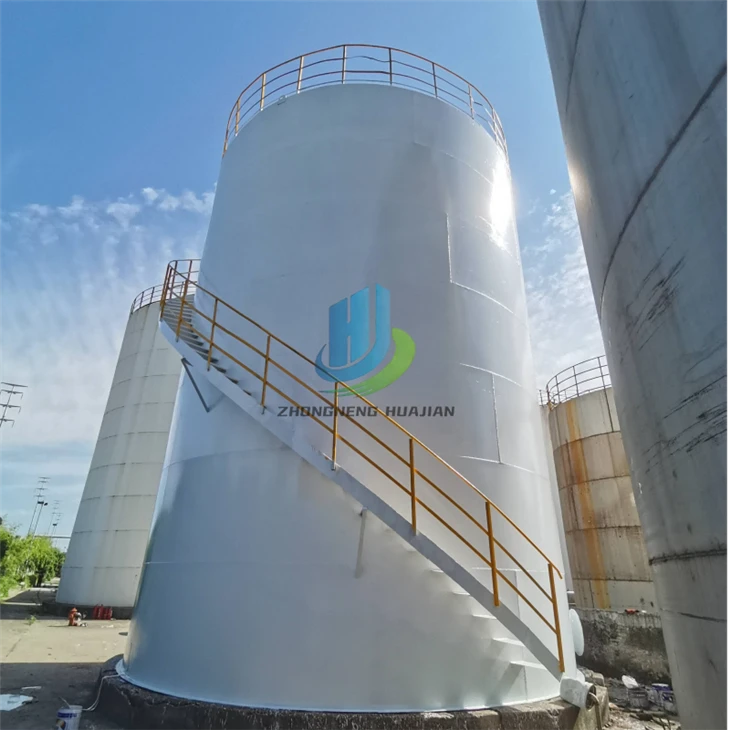
Large Fire Fighting Water Tank are suitable for larger properties or commercial buildings, where a greater volume of water is required for fire protection. These tanks are often made from steel or concrete and can hold thousands of gallons of water.
Vertical Fire Water Tank are a space - saving option for homes or buildings with limited space. They are designed to be installed vertically and can still provide an adequate supply of water for fire - fighting purposes.
Conclusion
Choosing the right water tank for your home is a decision that requires careful consideration of your specific needs and circumstances. By understanding the different types of water tanks available, their advantages and disadvantages, and the factors to consider, you can make an informed choice that will meet your water storage requirements.
If you are still unsure which type of water tank is best for your home, I encourage you to contact us for a consultation. Our team of experts can help you assess your needs, recommend the most suitable tank, and provide you with a detailed quote. We are committed to providing high - quality water tanks and excellent customer service. Don't hesitate to reach out and start the process of finding the perfect water tank for your home.
References
- "Water Tank Selection Guide", Plumbing and Sanitary Journal
- "Materials and Design of Water Tanks", Civil Engineering Handbook


