


Can a water tank be installed underground? This is a question that many customers often ask us, as a professional water tank supplier. In this blog, we will delve into the feasibility, advantages, and considerations of underground water tank installation.
Feasibility of Underground Water Tank Installation
The short answer is yes, a water tank can be installed underground. In fact, underground water tank installation has become a popular choice for many residential, commercial, and industrial applications. The technology and materials used in modern water tank manufacturing have made it possible to create tanks that can withstand the pressure and environmental conditions underground.
Underground water tanks are typically made of materials such as concrete, fiberglass, or polyethylene. These materials are durable, corrosion-resistant, and can be designed to meet specific requirements. Concrete tanks are known for their strength and longevity, while fiberglass and polyethylene tanks are lightweight, easy to install, and resistant to chemicals.
Advantages of Underground Water Tank Installation
There are several advantages to installing a water tank underground.
Space Saving
One of the most significant advantages is space saving. In urban areas where space is limited, an underground water tank can be a great solution. It allows you to store a large amount of water without taking up valuable surface space. This is especially beneficial for small properties or commercial buildings where every square foot counts.
Aesthetic Appeal
Underground water tanks are hidden from view, which can enhance the aesthetic appeal of your property. Unlike above-ground tanks, which can be an eyesore, underground tanks do not detract from the overall look of your landscape or building.
Temperature Regulation
Underground water tanks are naturally insulated by the surrounding soil, which helps to regulate the temperature of the water. This can be particularly beneficial in areas with extreme temperatures, as it helps to keep the water cool in the summer and prevent freezing in the winter.
Protection from External Elements
Underground water tanks are protected from external elements such as sunlight, wind, and debris. This helps to extend the lifespan of the tank and reduce the risk of damage. Additionally, it can prevent the growth of algae and other contaminants in the water.
Considerations for Underground Water Tank Installation
While underground water tank installation offers many advantages, there are also some important considerations to keep in mind.
Site Assessment
Before installing an underground water tank, it is essential to conduct a thorough site assessment. This includes evaluating the soil conditions, groundwater level, and the presence of any underground utilities. The soil should be stable and able to support the weight of the tank. If the soil is too soft or unstable, additional measures may be required to ensure the tank is properly supported.
Installation Process
The installation process for an underground water tank is more complex than that of an above-ground tank. It typically involves excavation, leveling the site, and installing the tank. It is important to hire a professional installer who has experience with underground tank installation to ensure the job is done correctly.
Maintenance and Accessibility
Underground water tanks require regular maintenance to ensure they are functioning properly. This includes inspecting the tank for leaks, checking the water quality, and cleaning the tank as needed. It is important to ensure that the tank is easily accessible for maintenance purposes.
Cost
The cost of installing an underground water tank is generally higher than that of an above-ground tank. This is due to the additional labor and materials required for excavation and installation. However, the long-term benefits of an underground water tank, such as space saving and durability, may outweigh the initial cost.
Our Water Tank Products
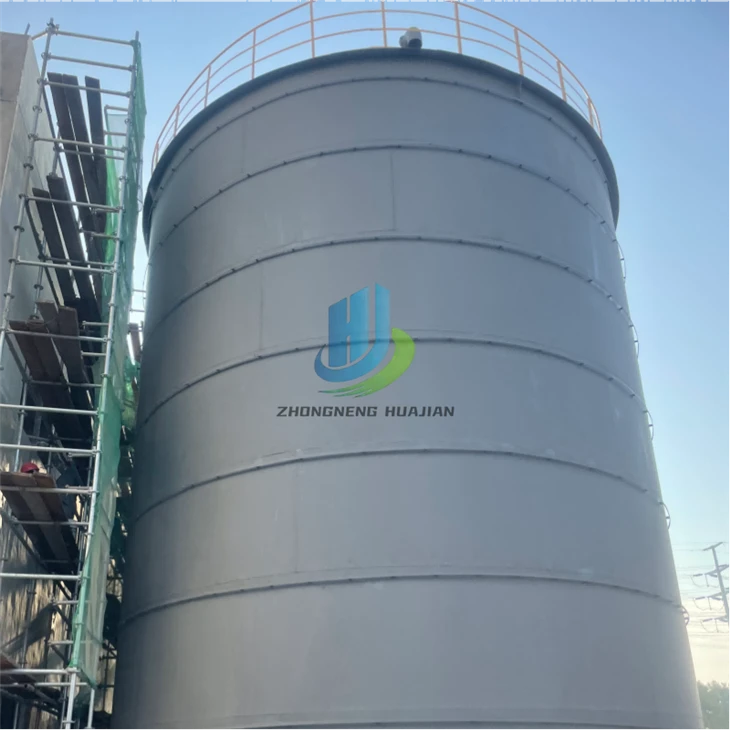
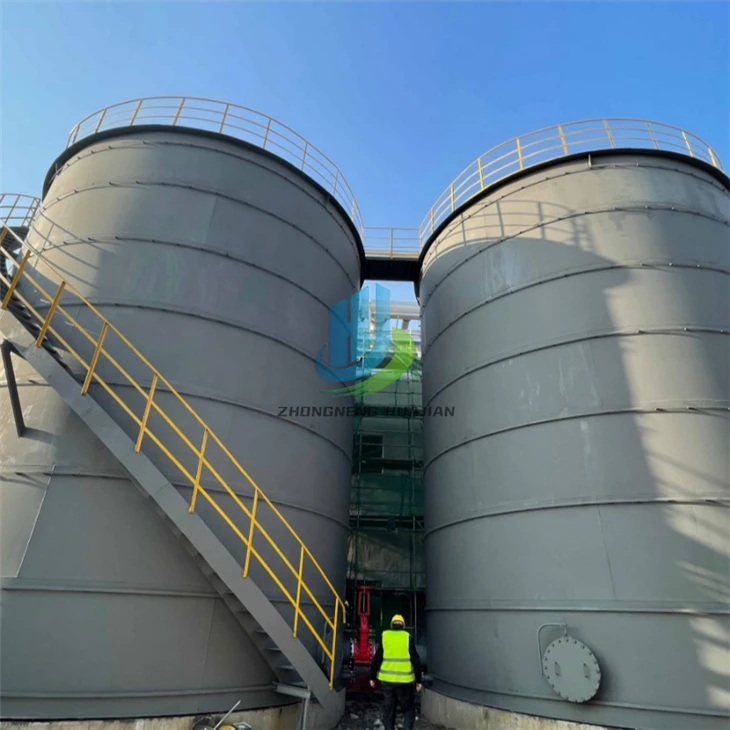
As a water tank supplier, we offer a wide range of water tanks suitable for underground installation. Our Wastewater Filtration Tank is designed to effectively filter and treat wastewater, making it suitable for various applications. Our Vertical Water Storage Tank and Vertical Fire Water Tank are ideal for storing large amounts of water for fire protection and other purposes.
Conclusion
In conclusion, a water tank can be installed underground, and it offers many advantages such as space saving, aesthetic appeal, temperature regulation, and protection from external elements. However, it is important to consider the site conditions, installation process, maintenance requirements, and cost before making a decision. If you are interested in installing an underground water tank, we encourage you to contact us to discuss your specific needs and requirements. Our team of experts can provide you with detailed information and guidance to help you make the right choice.
References
- "Water Tank Installation Guide," Water Tank Association.
- "Underground Water Tanks: Benefits and Considerations," Journal of Water Management.


