


Hey there! As a water tank supplier, I often get asked this question: "Can I replace a water tank myself?" Well, let's dive right into it and see if it's a DIY job or not.
Understanding the Basics
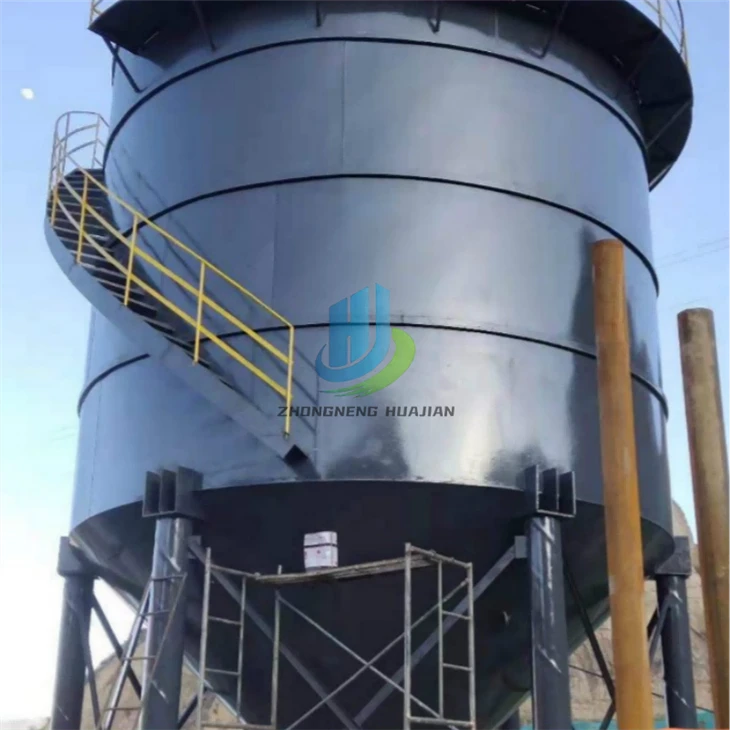
First off, replacing a water tank isn't a one - size - fits - all kind of task. There are different types of water tanks out there, like Slurry Dewatering Tank, Wastewater Treatment Tank, and Vertical Sewage Treatment Tank. Each type has its own installation requirements and potential challenges.
Factors to Consider
1. Tank Size and Weight
Water tanks come in all shapes and sizes. Smaller tanks, say those under 50 gallons, might be manageable for a DIY replacement. You can usually lift them on your own or with a little help from a friend. But larger tanks, especially those over 500 gallons, are a whole different ballgame. They're heavy and require special equipment like forklifts or cranes to move around. If you try to handle a big tank without the right tools, you could end up with some serious injuries or damage to your property.
2. Plumbing Connections
Replacing a water tank means dealing with plumbing. You've got to disconnect the old tank and connect the new one properly. If you're not familiar with plumbing, this can be a nightmare. You need to know how to shut off the water supply, deal with different types of pipes (like copper, PVC, or galvanized steel), and make sure there are no leaks. A small leak can lead to water damage over time, so it's crucial to get it right.
3. Safety Concerns
Working with water tanks can be dangerous. There's the risk of electrical hazards if the tank has a heating element or other electrical components. Also, if you're dealing with a large tank, there's the potential for it to tip over during the replacement process. You need to take proper safety precautions, like wearing protective gear and following safety guidelines.
DIY or Not?
DIY: If You're Up for It
If you have some basic DIY skills, are comfortable working with tools, and the tank you're replacing is relatively small, you might be able to do it yourself. Here's a step - by - step guide:
- Gather Your Tools: You'll need a wrench, pliers, a screwdriver, and maybe a pipe cutter.
- Turn Off the Water: Locate the main water shut - off valve and turn it off. This will prevent water from flowing while you're working.
- Drain the Tank: Connect a hose to the drain valve at the bottom of the tank and let the water drain into a suitable container or outside.
- Disconnect the Old Tank: Use your tools to disconnect the pipes and any electrical connections.
- Remove the Old Tank: Carefully lift or move the old tank out of its location.
- Install the New Tank: Place the new tank in the same spot, connect the pipes and electrical components, and make sure everything is tight.
- Turn On the Water: Slowly turn on the main water valve and check for leaks.
Not DIY: When to Call a Professional
If you're not confident in your DIY skills, or if the tank is large and complex, it's best to call a professional. They have the experience, tools, and knowledge to handle the job safely and efficiently. They can also ensure that the new tank is installed in compliance with local building codes.
Benefits of Professional Installation
- Expertise: Professionals know exactly what they're doing. They've installed countless water tanks and can handle any issues that come up.
- Warranty: Many professional installers offer a warranty on their work. This gives you peace of mind knowing that if something goes wrong, they'll come back and fix it.
- Time - Saving: A professional can usually complete the installation much faster than you could on your own, minimizing the disruption to your daily life.
Our Role as a Water Tank Supplier
As a water tank supplier, we're here to help you every step of the way. Whether you decide to do the replacement yourself or hire a professional, we can provide you with high - quality water tanks and all the necessary accessories. We can also offer advice on the best type of tank for your needs and answer any questions you might have.
If you're thinking about replacing your water tank, don't hesitate to reach out to us. We're happy to discuss your options, provide product information, and even help you find a reliable installer in your area. We understand that buying and installing a water tank is a big investment, and we want to make sure you get the best possible solution for your home or business.

Conclusion
So, can you replace a water tank yourself? It depends on your skills, the size of the tank, and your comfort level with DIY projects. If you're up for the challenge and have the right tools, go for it. But if you're not sure, it's always better to call a professional. And remember, as your water tank supplier, we're here to support you in making the best decision for your situation.
If you're interested in purchasing a water tank or have any questions about the replacement process, feel free to contact us. We're ready to start a conversation and help you find the perfect water tank for your needs.
References
- "Plumbing for Dummies" by Richard Trethewey and Roy Berendsohn
- Various industry - specific manuals and guides on water tank installation.


