


Hey there! As a supplier of fire water tanks, I get asked a lot about the difference between fire water tanks and regular water tanks. It might seem like they're pretty much the same at first glance, but there are actually some crucial distinctions that set them apart.
Let's start with the purpose. A regular water tank is mainly used for everyday water storage. You might have one at home for storing rainwater to use in your garden, or in an industrial setting to keep water for general manufacturing processes. In short, it's for normal, day - to - day water usage.
On the other hand, a fire water tank has a very specific and critical purpose: it's there to provide water for fire - fighting. When there's a fire, having a reliable and sufficient supply of water can be the difference between a minor incident and a major disaster.
One of the most obvious differences is the capacity. Regular water tanks come in a wide range of sizes, depending on the user's needs. For a small household, a tank with a capacity of a few hundred liters might be enough. But fire water tanks? They usually need to be much larger. A commercial building or an industrial complex might require a fire water tank with a capacity of thousands or even tens of thousands of liters. This is because in a fire situation, a large amount of water is needed quickly to suppress the flames.
The construction and materials used also vary significantly. Regular water tanks can be made from a variety of materials, such as plastic, fiberglass, or metal. These materials are chosen based on factors like cost, durability, and ease of installation. For example, plastic tanks are popular for home use because they're lightweight and relatively inexpensive.
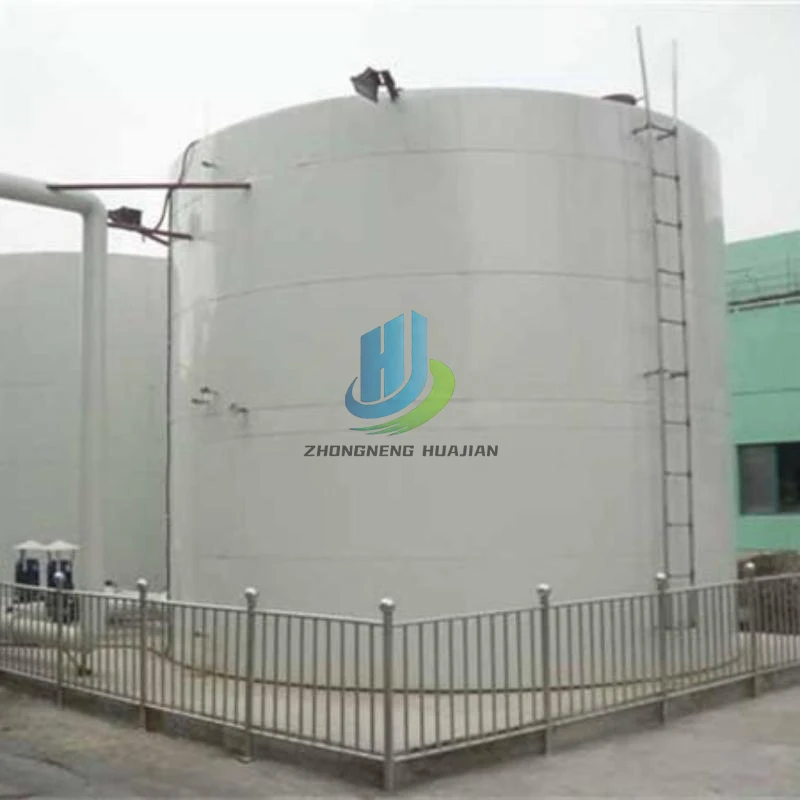
Fire water tanks, however, need to meet strict safety and performance standards. They are often made of high - quality steel or reinforced concrete. Steel tanks are strong and can withstand high pressure, which is important when water needs to be pumped out quickly during a fire. Reinforced concrete tanks are also very durable and can resist damage from external factors like earthquakes or extreme weather conditions.
Another key difference is the design and installation. Regular water tanks can be installed in a relatively simple way. You can place them above ground or underground, depending on your space and aesthetic preferences. They usually have basic inlet and outlet pipes for filling and using the water.
Fire water tanks, on the other hand, require a more complex installation process. They need to be connected to a fire - fighting system, which includes pumps, valves, and sprinklers. The tank must be installed in a location where it can be easily accessed by the fire - fighting equipment. And there are often strict regulations regarding the height and location of the tank to ensure proper water pressure and flow.
Let's talk about maintenance. Regular water tanks need to be maintained to keep the water clean and prevent the growth of bacteria. This might involve periodic cleaning, checking for leaks, and treating the water.
For fire water tanks, maintenance is even more crucial. The water in a fire water tank needs to be regularly tested to ensure it's in good condition for fire - fighting. The tank itself also needs to be inspected for any signs of damage or corrosion. The fire - fighting system connected to the tank must be regularly maintained to make sure it will work properly in an emergency.
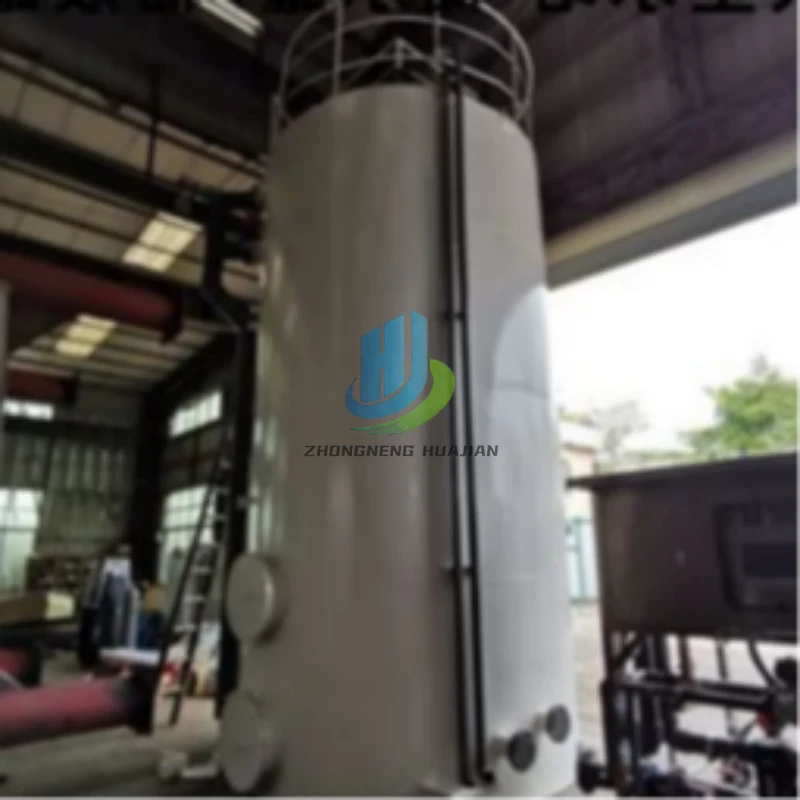
Now, let's take a look at some of the products we offer as a fire water tank supplier. We have a great selection of Fire Fighting Water Storage Tank. These tanks are designed to meet the highest safety standards and can provide a reliable water supply for fire - fighting.
Our Vertical Water Storage Tank is another popular option. It's a space - saving design that can be installed in areas where horizontal space is limited.
And if you're looking for a tank specifically designed for fire - fighting, our Vertical Fire Water Tank is a great choice. It's built to withstand the rigors of fire - fighting and can deliver water quickly and efficiently.
If you're in the market for a fire water tank, whether it's for a commercial building, an industrial facility, or any other application, don't hesitate to get in touch. We have a team of experts who can help you choose the right tank for your needs and ensure a proper installation.
In conclusion, while fire water tanks and regular water tanks might seem similar, they have very different purposes, capacities, construction, installation, and maintenance requirements. Understanding these differences is crucial when it comes to choosing the right tank for your specific situation.
References:
- Fire Protection Handbook, National Fire Protection Association
- Water Tank Design and Installation Guidelines, Industry Standards


