


Grounding is a critical aspect in the design, installation, and operation of steel silos. As a steel silo supplier, we understand the importance of proper grounding to ensure the safety and functionality of our products. In this blog, we will discuss the grounding requirements for steel silos, exploring why grounding is necessary, the standards and guidelines to follow, and the practical steps for implementing an effective grounding system.
Why Grounding is Necessary for Steel Silos
Steel silos are often used to store various materials such as grains, mineral powders, and other bulk solids. These materials can generate static electricity during filling, discharging, and movement within the silo. Static electricity can cause several problems, including:
- Fire and Explosion Hazards: In environments where flammable dusts or gases are present, static electricity can create sparks that may ignite the combustible materials, leading to fires or explosions. For example, grain dust is highly combustible, and a static spark can trigger a catastrophic event.
- Equipment Damage: Static charges can accumulate on the surface of the silo and its associated equipment, causing damage to electronic components, sensors, and control systems. This can lead to malfunctions and downtime, resulting in significant financial losses.
- Personnel Safety Risks: Workers in the vicinity of the silo may experience electric shocks due to static discharge, which can cause injuries and pose a risk to their safety.
Proper grounding helps to dissipate static electricity, preventing these hazards and ensuring the safe operation of the steel silo.
Standards and Guidelines for Grounding Steel Silos
There are several national and international standards and guidelines that provide recommendations for grounding steel silos. These standards aim to ensure the safety of the silo and its surroundings by specifying the requirements for grounding systems. Some of the key standards include:
- National Fire Protection Association (NFPA): NFPA 77 provides guidelines for static electricity control, including the grounding of storage vessels such as steel silos. It recommends that all metal parts of the silo, including the shell, roof, and internal structures, be electrically connected and grounded to prevent the accumulation of static charges.
- International Electrotechnical Commission (IEC): IEC 60079-32-1 provides guidance on the prevention of ignition hazards in explosive atmospheres. It includes requirements for grounding and bonding to minimize the risk of static electricity-induced ignition.
- American Petroleum Institute (API): API RP 2003 provides recommendations for the prevention of static ignition in petroleum facilities, which can also be applied to steel silos storing flammable materials.
These standards typically require that the grounding system have a low resistance to ensure effective dissipation of static charges. The resistance of the grounding system should be measured regularly to ensure it remains within the acceptable range.
Practical Steps for Implementing a Grounding System
The following steps are involved in implementing an effective grounding system for a steel silo:
1. Conduct a Site Survey
Before installing the grounding system, a site survey should be conducted to assess the soil conditions, the location of the silo, and any potential sources of electrical interference. The soil resistivity, which affects the performance of the grounding system, should be measured at multiple locations around the silo.
2. Select the Appropriate Grounding Electrodes
The grounding electrodes are the components that connect the silo to the ground. Common types of grounding electrodes include ground rods, ground plates, and grounding grids. The selection of the grounding electrodes depends on the soil resistivity, the size of the silo, and the electrical load requirements. For example, in areas with high soil resistivity, multiple ground rods may be required to achieve a low resistance grounding system.
3. Install the Grounding Electrodes
The grounding electrodes should be installed in accordance with the manufacturer's instructions and the relevant standards. The electrodes should be driven into the ground to a sufficient depth to ensure good electrical contact with the soil. The distance between the electrodes should be determined based on the soil conditions and the required grounding resistance.
4. Connect the Silo to the Grounding Electrodes
The steel silo should be electrically connected to the grounding electrodes using conductors. The conductors should be made of a suitable material, such as copper or aluminum, and have a sufficient cross-sectional area to carry the electrical current. The connections between the silo and the conductors should be made using proper connectors and clamps to ensure a low resistance connection.
5. Install Bonding Connections
In addition to grounding the silo itself, all metal components associated with the silo, such as pipes, valves, and conveyors, should be bonded together to ensure electrical continuity. Bonding connections help to prevent the accumulation of static charges between different metal parts and reduce the risk of sparking.
6. Test and Maintain the Grounding System
Once the grounding system is installed, it should be tested to ensure that it meets the required resistance standards. Regular maintenance and inspections should be carried out to check the integrity of the grounding system, including the condition of the electrodes, conductors, and connections. Any damaged or corroded components should be replaced promptly.
Grounding Requirements for Different Types of Steel Silos
The grounding requirements may vary depending on the type of steel silo and the materials it stores. Here are some examples:
Grain Storage Steel Silos
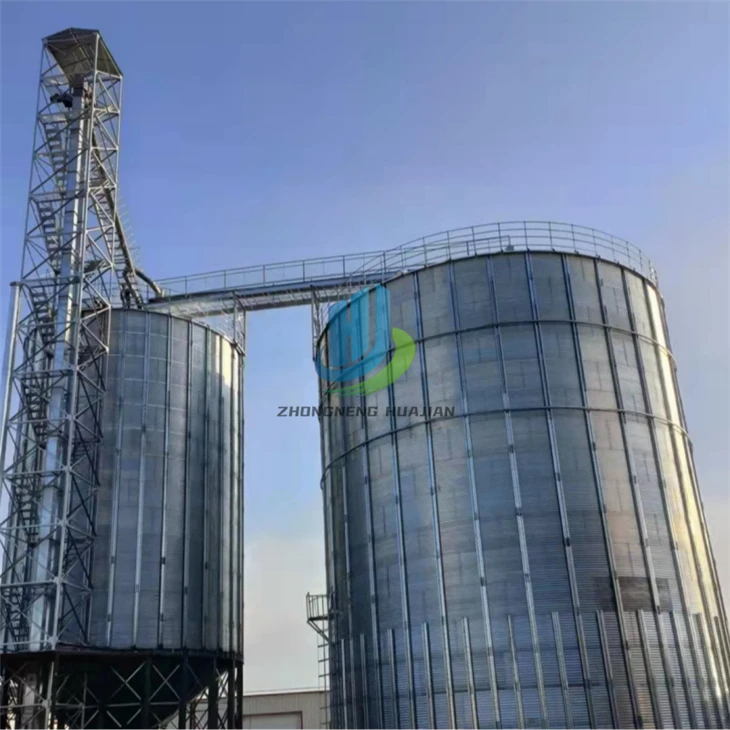
Grain storage steel silos are prone to static electricity problems due to the movement of grains during filling and discharging. Grain Storage Steel Silos should be grounded to prevent the accumulation of static charges and reduce the risk of fire and explosion. In addition to grounding the silo itself, the equipment used for grain handling, such as conveyors and elevators, should also be grounded and bonded to the silo.
Mineral Powder Steel Silo
Mineral powder steel silos are used to store various types of mineral powders, which can also generate static electricity. Mineral Powder Steel Silo grounding systems should be designed to handle the specific requirements of the stored materials. For example, some mineral powders may be more conductive than others, which can affect the grounding resistance.
Welded Steel Silos
Welded steel silos are often used in industrial applications where high strength and durability are required. Welded Steel Silos should be grounded to ensure the safety of the structure and the equipment inside. The welding process can create electrical connections between different parts of the silo, but additional grounding and bonding may be required to ensure proper electrical continuity.

Conclusion
Proper grounding is essential for the safe and reliable operation of steel silos. By following the relevant standards and guidelines and implementing an effective grounding system, we can minimize the risks associated with static electricity and ensure the safety of the silo, its contents, and the personnel working around it. As a steel silo supplier, we are committed to providing our customers with high-quality products and solutions that meet the highest safety standards. If you are interested in purchasing a steel silo or have any questions about grounding requirements, please feel free to contact us for further discussion and procurement negotiation.
References
- National Fire Protection Association (NFPA). NFPA 77: Recommended Practice on Static Electricity.
- International Electrotechnical Commission (IEC). IEC 60079-32-1: Explosive atmospheres - Part 32-1: Electrical installations design, selection and erection - General requirements.
- American Petroleum Institute (API). API RP 2003: Protection Against Ignitions Arising Out of Static, Lightning, and Stray Currents.


