


Hey there! As a supplier of sewage tanks, I often get asked about the documents required for a sewage tank permit. It's a crucial step in the installation and operation of sewage tanks, and getting it right can save you a whole lot of hassle down the line. So, let's dive into what you'll typically need.
1. Application Form
First off, you'll need to fill out an application form. This is usually provided by the local environmental or health department. It's like the front - door key to the permit process. The form will ask for basic info about you, like your name, contact details, and address. It'll also want to know about the sewage tank itself. You'll need to describe the type of tank you're planning to install. For instance, if you're thinking about a Slurry Dewatering Tank, you'll have to provide details about its size, capacity, and how it works.
2. Site Plan
A site plan is super important. It's like a map that shows where your sewage tank will be placed on your property. The site plan should be clear and accurate. It needs to mark the location of the tank in relation to other structures on the property, like your house, wells, and septic drain fields. You'll also have to show the distance between the sewage tank and any water bodies nearby, like rivers or lakes. This is because the local authorities want to make sure that there's no risk of contamination to these water sources.
3. Manufacturer's Specifications
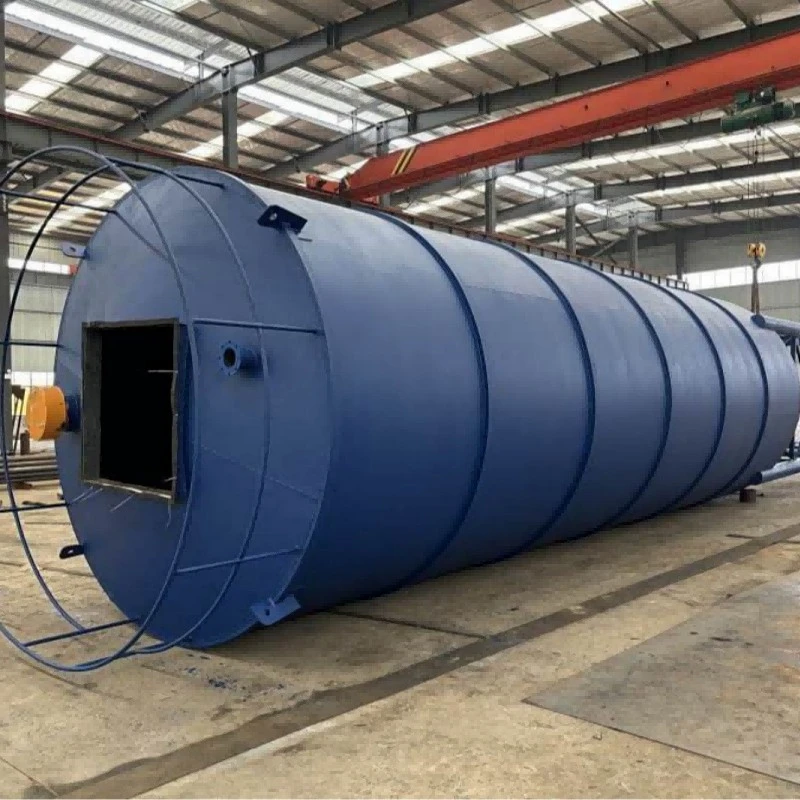
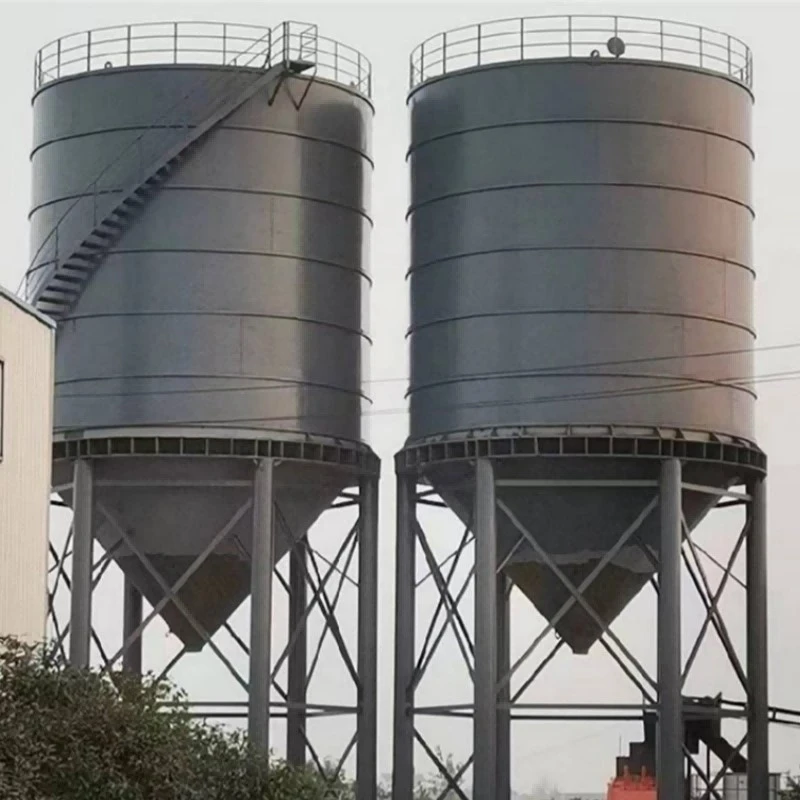
The local authorities will want to know exactly what kind of sewage tank you're installing. That's where the manufacturer's specifications come in. These are the technical details about the tank provided by the maker. You'll need to include things like the material the tank is made of, its design, and its performance ratings. For example, if you're going for a Vertical Sewage Treatment Tank, the specs will tell the authorities how well it can treat sewage, how much waste it can handle, and what kind of maintenance it requires.
4. Engineering Drawings
Engineering drawings are like the blueprints of your sewage tank system. They show the detailed design of the tank, including its internal components, the way it's connected to the plumbing system, and how the sewage will flow through it. These drawings need to be done by a professional engineer. They'll help the authorities make sure that the tank is designed and installed correctly, and that it meets all the safety and environmental standards.
5. Proof of Ownership or Lease
You'll need to show that you have the right to install the sewage tank on the property. If you own the property, you can provide a copy of the deed. If you're renting, you'll need a copy of the lease agreement that allows you to make the installation. This is to prevent unauthorized installations and to ensure that the property owner or landlord is aware of the changes being made.
6. Environmental Impact Assessment
In some cases, especially if the sewage tank is being installed in an area that's sensitive to environmental changes, you may need to conduct an environmental impact assessment (EIA). This is a study that looks at how the installation and operation of the sewage tank will affect the surrounding environment. It'll consider things like air quality, water quality, and the impact on wildlife. The EIA report will need to be submitted along with your permit application.
7. Maintenance and Operation Plan
The local authorities want to make sure that the sewage tank will be properly maintained and operated. So, you'll need to submit a maintenance and operation plan. This plan should outline how often the tank will be inspected, cleaned, and repaired. It should also include details about who will be responsible for these tasks. For example, if you plan to use a professional sewage tank maintenance service, you'll need to provide their contact information and a description of the services they'll offer.
8. Financial Assurance
Some areas require you to provide financial assurance that you'll be able to cover the cost of any potential environmental damage caused by the sewage tank. This could be in the form of a bond, an insurance policy, or a letter of credit. The amount of financial assurance required will depend on the size and type of the sewage tank, as well as the local regulations.
Why It Matters
Getting all these documents in order is not just a bureaucratic hassle. It's important for the safety of your community and the protection of the environment. A properly permitted sewage tank will operate more efficiently, reduce the risk of sewage spills, and prevent contamination of water sources.
Contact Us for Your Sewage Tank Needs
If you're in the market for a sewage tank, we've got you covered. We offer a variety of high - quality sewage tanks, including Slurry Dewatering Tank, Vertical Sewage Treatment Tank, and Sludge Treatment Tank. Our team can also assist you in understanding the permit requirements and getting the necessary documents in order. Don't hesitate to reach out to us if you have any questions or if you're ready to start the procurement process. We're here to make your sewage tank installation as smooth as possible.
References
- Local environmental and health department regulations
- Manufacturer's documentation for sewage tanks
- Engineering standards for sewage tank installations


